
Since you have been engaging with our newsletters for quite some time, we have hopefully convinced you that, despite the rich diversity in religious traditions, these recurring themes indicate a shared human longing for meaning, purpose, community, and a connection with something beyond ourselves. How do we translate this awareness to enrich our day to day lives?
A recent message conveyed by Francis X. Clooney, 2021–2022 President-Elect of the Christian Theological Society of America (CTSA) and the Parkman Professor of Divinity at Harvard Divinity School resonated with our key takeaways:
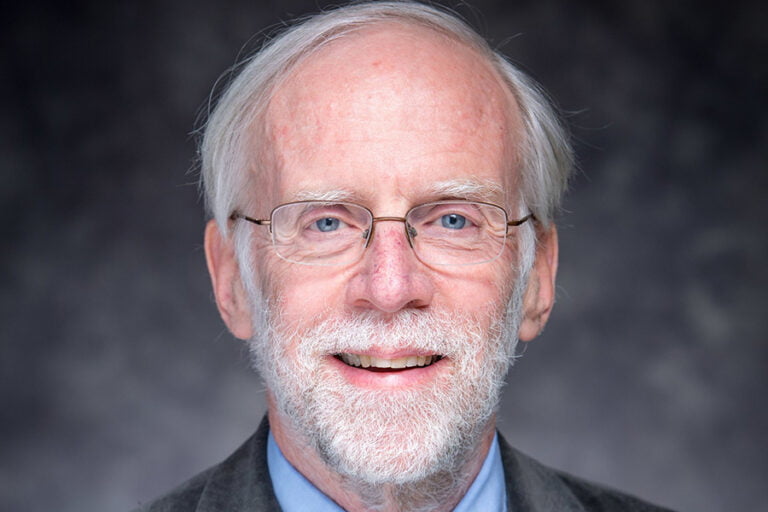
“No religion exists as a complete world unto itself. No person of faith is exempt from the powerful effects of the near presence of people of other ancient and new faith traditions. People of many faiths, evolving faiths, and seemingly no faith are our neighbors today, our colleagues and friends, our students. If we are to be Catholic today in a fully realized manner, we must be Catholic interreligiously; as theologians, we must also think interreligiously.”
If we substitute “Catholic” in the above message for any other religion, it is equally applicable. Unfortunately, our world is getting increasingly fractured by religious, ethnic, cultural, digital, and political divides. The aim of our work through UEF is to help reduce religious divisiveness by making people aware of the commonalities across religions, reinforcing a common thread of humanity that spans across time, thus promoting inclusiveness and tolerance amongst people of different faiths.
Francis Clooney says that religion flourishes in the particular. But we also are able to distill certain principles from the study of commonalities to guide us in practice of our own religion in our day to do lives with a non-exclusive mindset:
1. Respect diversity in all forms and see all belief systems as alternative routes towards the same goal.
2. Believe only in messages of interconnectedness that unite the whole of humanity rather than those that divide us with narrow and arbitrary identities.
3. Do not confine compassion only to members of your own group, but rather strive to extend it universally.
4. Killing another in any name is wrong.
5. Interpretations of scriptures and doctrines, which fuel hate and prejudice, are to be doubted as ‘from God’.
6. Reject any teaching that makes you feel inferior or superior to fellow human beings. There is no proof of such an assertion and it is only a belief.
7. As religious people, don’t just simply be believers, but also be passionate seekers of truth.
8. Embrace practices and messages which emphasize faith but still leave room for doubt.
9. Interpret scripture as allegorical rather than categorical whenever possible, especially when literal interpretations conflict with your modern sensibilities.
10. Be conscious of confirmation bias when evaluating your beliefs. Think not what you believe but of how you have come to believe what you believe.
This is only the beginning. At UEF, we will continue to explore the vast points of connection and commonality across religions. We will continue to share more insights with you. Please give us any feedback to make it more meaningful to you